
When You Love Someone But Feel Emotionally Exhausted
Guilt, Exhausted, Overwhelm, Caregiver Burn Out, Self Care
Kristen Alzoubi RSW; BSW
5/12/20263 min read

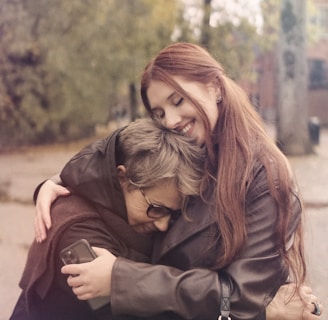
Loving someone and feeling emotionally exhausted at the same time can create a confusing kind of guilt.
Many people quietly wonder:
“How can I feel this drained, but they still need me this much?”
Often relationships crumble during high stress times. The truth is, emotional exhaustion does not mean the love is gone. Often, it means someone has been carrying too much for too long without enough support, self-care, rest, emotional safety, or space to breathe.
This can happen in romantic relationships, caregiving relationships, parenting, friendships, or within families affected by stress, illness, trauma, or mental health challenges.
Sometimes love starts to feel less like connection and more like responsibility.
You may notice yourself:
feeling emotionally numb or detached
becoming irritated more easily
avoiding conversations because you have nothing left to give
struggling to care for your own needs
feeling guilty for wanting space or quiet
feeling emotionally alone even when someone is beside you
longing to feel like yourself again
Many people experiencing emotional exhaustion continue functioning on the outside. They still show up. They still care for others. They still try. But internally, they may feel depleted.
Over time, relationships can unintentionally shift into survival mode. Conversations become about logistics, stress, appointments, finances, responsibilities, or conflict. Emotional connection slowly gets replaced by emotional exhaustion.
This is especially common when someone has been:
caregiving for a loved one
supporting a partner with mental or physical health concerns
carrying most of the emotional load in a relationship
managing chronic stress for long periods of time
suppressing their own needs to keep things functioning
Many people in this position become disconnected from themselves without realizing it. Their own emotions, rest, joy, and identity slowly move to the bottom of the priority list.
Sometimes people begin feeling more like roommates, coworkers, or caregivers than partners.
And yet, underneath the exhaustion, love often still exists.
What many emotionally exhausted people truly need is not shame or pressure to “try harder.” They need support, emotional safety, boundaries, rest, honesty, and space to reconnect with themselves.
Caregivers do not need to feel guilty for setting boundaries or recognizing limits in the support they can provide. In fact, when caregivers are able to receive support themselves—whether temporarily or on an ongoing basis—they are often better able to show up in more meaningful, emotionally present ways.
With adequate support and periods of rest, caregivers may feel less overwhelmed, less reactive, and more emotionally connected within their relationships. Over time, this can help repair or reconnect relationships that may have become strained under the weight of ongoing caregiving responsibilities.
Many caregivers find that time spent with loved ones becomes more focused on connection, companionship, and shared moments rather than only completing tasks or meeting basic care needs. Spouses can begin to feel like partners again. Family members can reconnect as family. Friends can return to simply being friends, instead of feeling solely responsible for providing constant support and care.
It is okay to acknowledge when something feels heavy. It is okay to not be able to do it all yourself. It is okay to get support in any way possible. It is okay to no longer be able to provide the support you were once able too.
It is okay to love someone deeply and still recognize that the current dynamic is affecting your emotional well-being.
Emotional exhaustion is not a personal failure. It is often a sign that too much has been carried without enough support for too long.
Healing often begins when people stop asking themselves,
“What is wrong with me?”
and start asking,
“What have I been carrying by myself?”
You are allowed to matter too. Please reach out to find support in Edmonton and surrounding areas.
—
Rooted Rowan Counselling
Supporting individuals experiencing emotional overwhelm, caregiver stress, relationship strain, and burnout with compassion and care.